


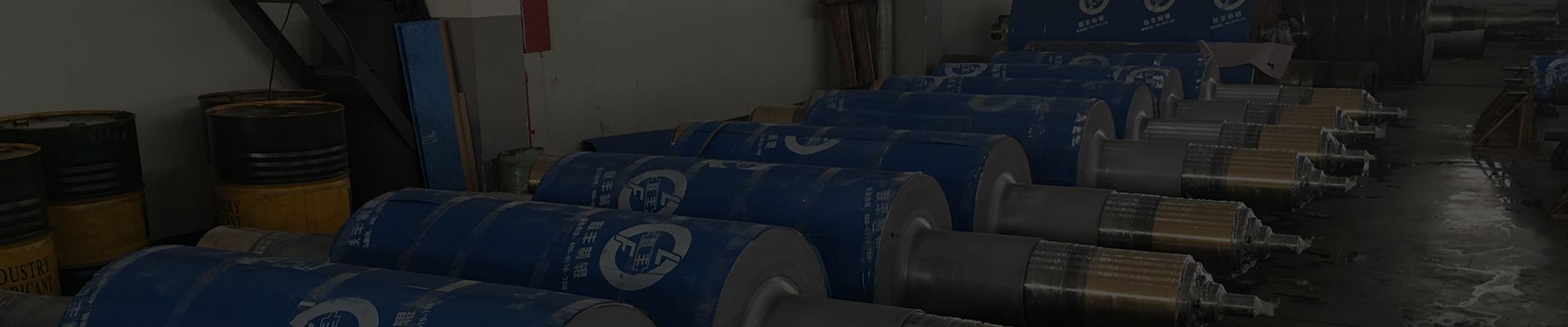
Leather Coating Roller
I. Core Functions & Significance
Color & Pattern Rendering: Uniformly apply pigmented coatings for base and top layers; special rollers deliver vintage, two-tone and stone-wash artistic effects.
Texture Formation: Work with embossing rollers to imprint grain patterns (litchi, tumbled, nappa, etc.) on wet coatings.
Protective Film Formation: Apply top gloss or hand-feel agents to boost wear, scratch and solvent resistance while adjusting leather smoothness and softness.
Precise Coating Thickness Control: Accurately regulate coating weight to avoid poor air permeability (over-thick) or insufficient coverage (over-thin).
II. Main Types & Applications
1. Reverse Coating Roller
2. Forward Coating Roller
3. Dot Coating Roller
4. Blanket / Parchment Wrapped Roller
III. Core Technology: Roller Surface & Materials
Metal Rollers (Steel / Copper)
Mirror polishing: For high-gloss coating
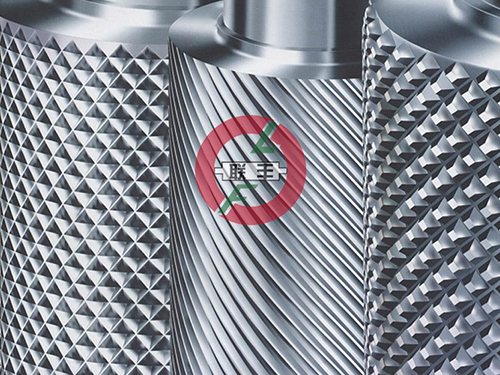
Sandblasting: Micro rough surface to adjust coating volume
Anilox engraving: Micro-cells for accurate coating metering
Rubber Rollers
IV. Selection & Maintenance Guidelines
Selection Factors
Leather grade: Full-grain, corrected-grain or suede require different coating rollers
Finishing agent property: Viscosity and solid content determine roller precision
Target finish: Uniform solid color, natural grain or special effects decides roller type
Maintenance Tips
Clean rollers thoroughly after each use to avoid cured coating clogging micro-cells or damaging polished surfaces
Protect rubber rollers from chemical aging; apply anti-rust oil on metal rollers
Rotate stored rollers regularly to prevent permanent deformation under static load
Avoid hard impacts; scratched precision surfaces cause mass defective leather products
Product Inquiry